
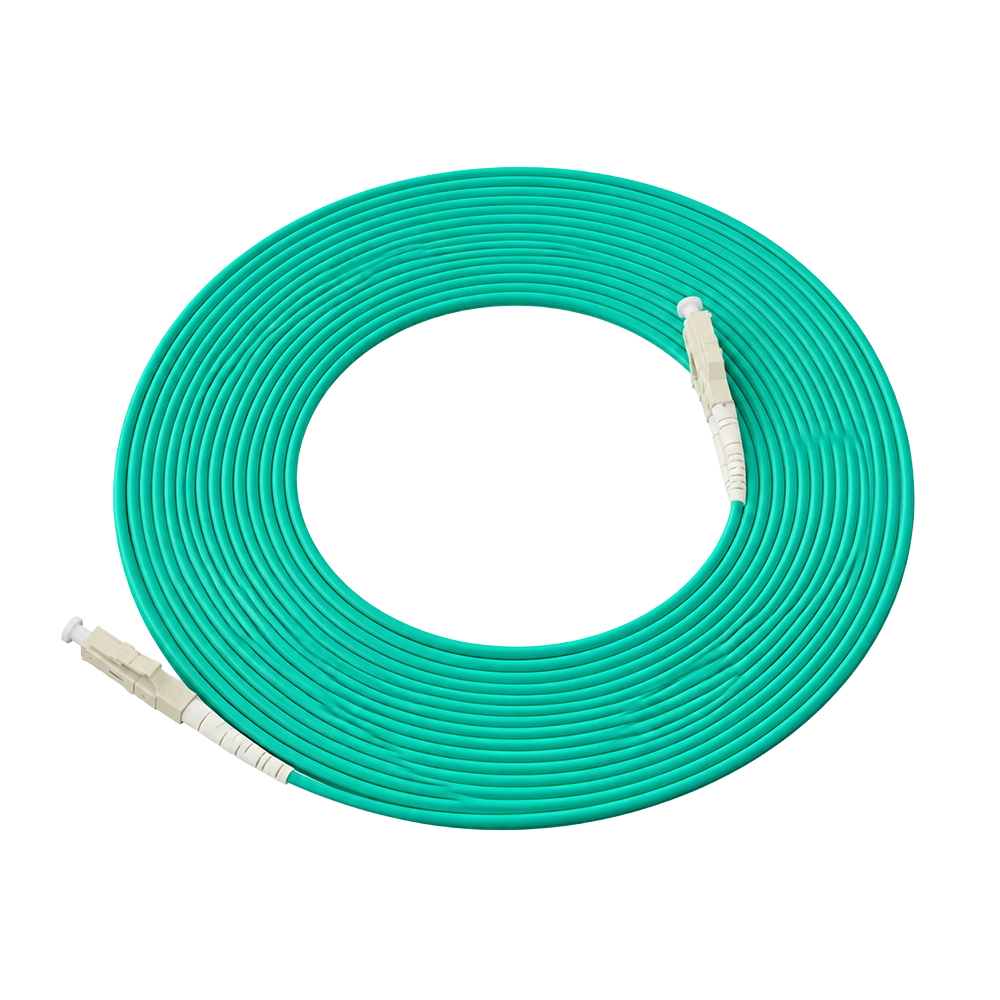
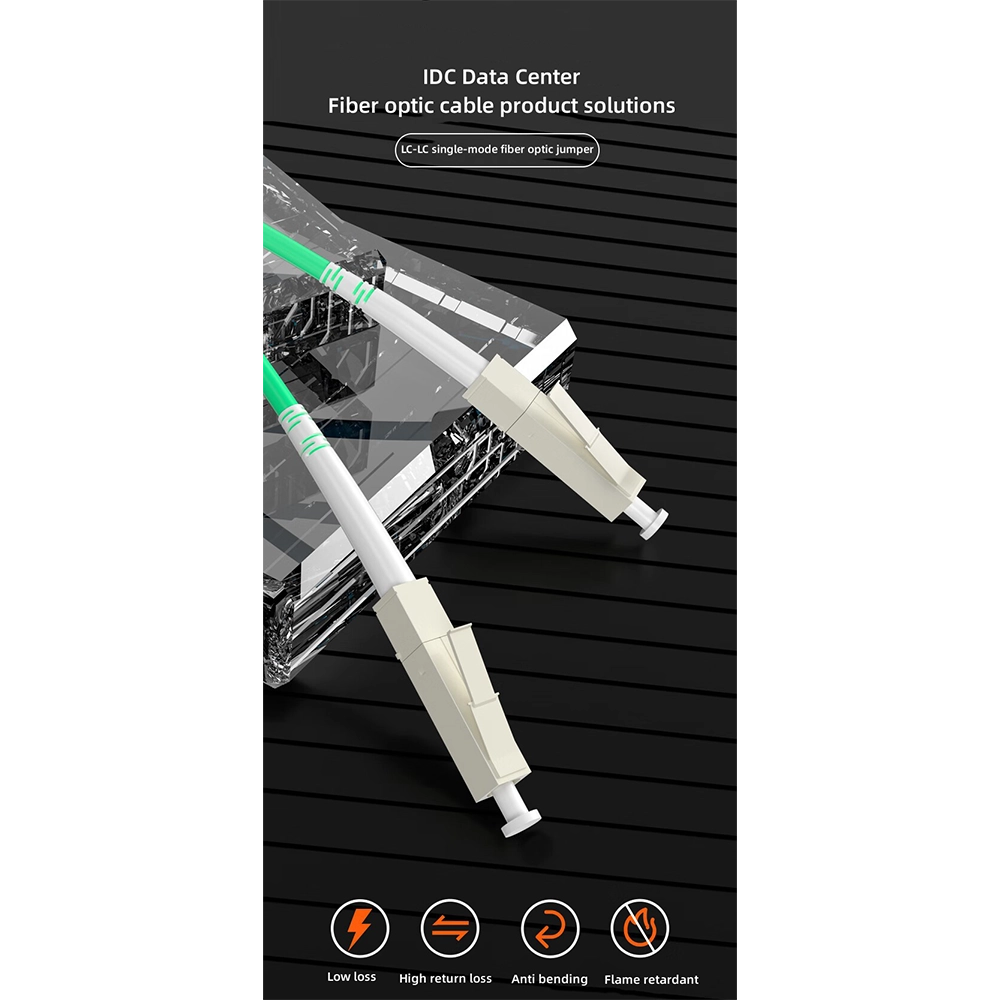
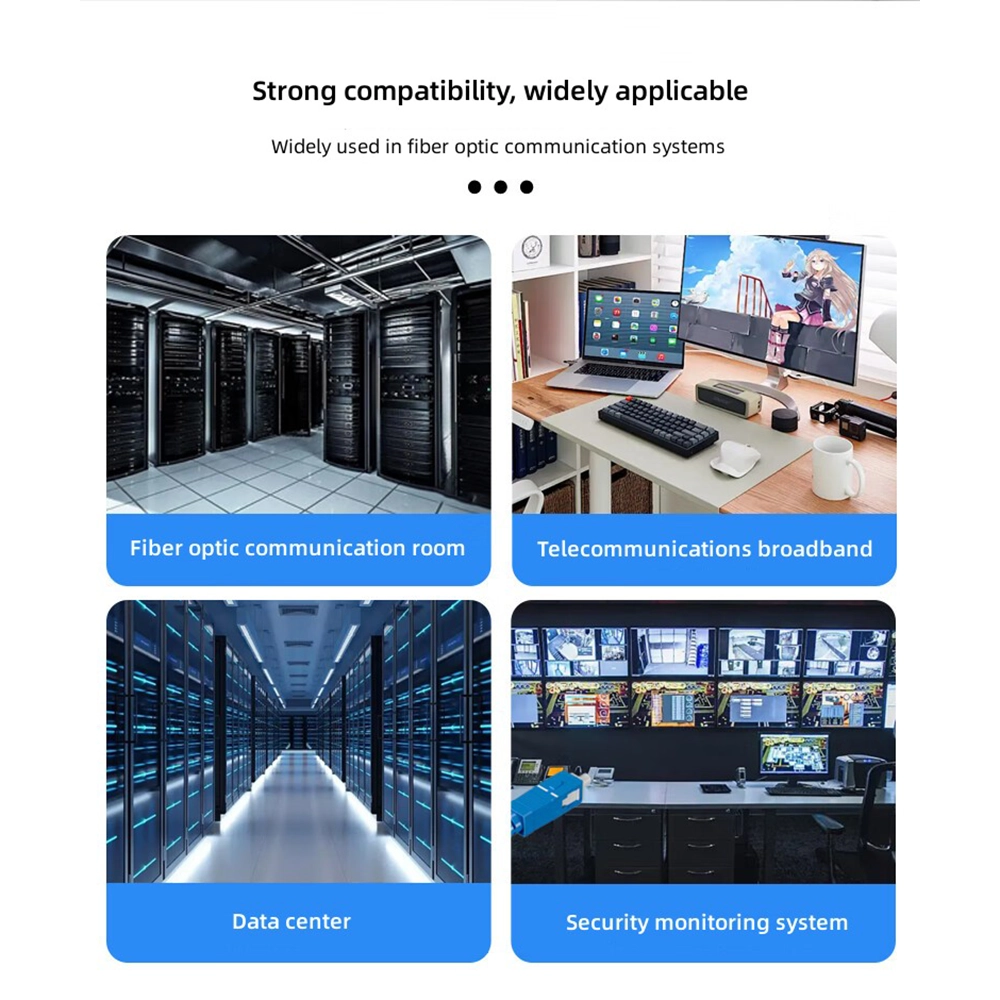
The DTECH DT-LC/LC 001 is a single-mode LC-to-LC fibre patch cord built for the racks and patch panels where space, not distance, is the constraint. Both ends terminate in LC connectors, a smaller push-pull form factor than the older SC standard, which is what lets it plug straight into the tight port spacing of SFP and SFP+ transceivers, media converters, and high-density switch panels.
LC and SC connectors carry the same signal — the difference is the footprint. SC connectors are larger, snap in with a push-pull latch, and are still common on older ONTs and media converters. LC connectors are roughly half the size, which is why almost every modern switch, SFP transceiver, and dense patch panel is built around them. If the ports on both ends of your run are LC, this jumper is the match; if one end is still SC, DTECH’s SC/UPC to SC/UPC cord or an LC-to-SC hybrid is the correct pick instead — mixing connector types at the same end will not seat properly.
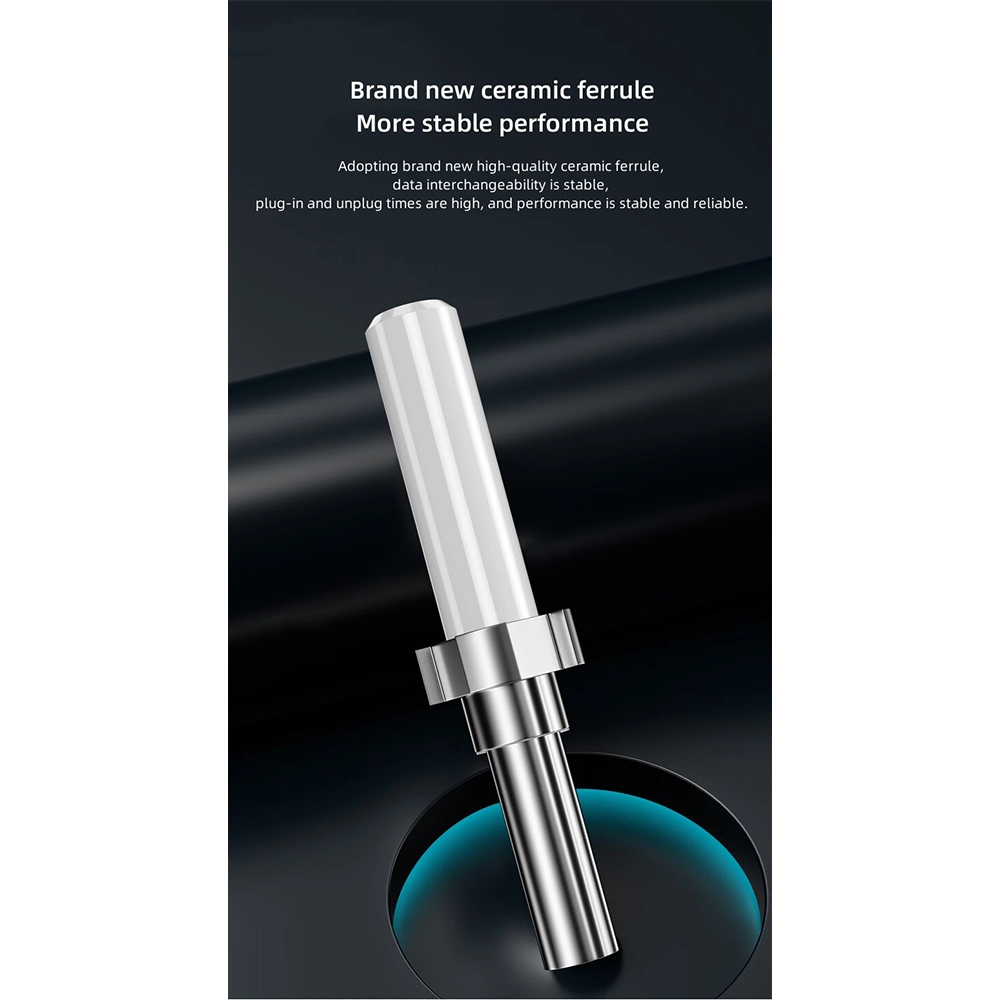
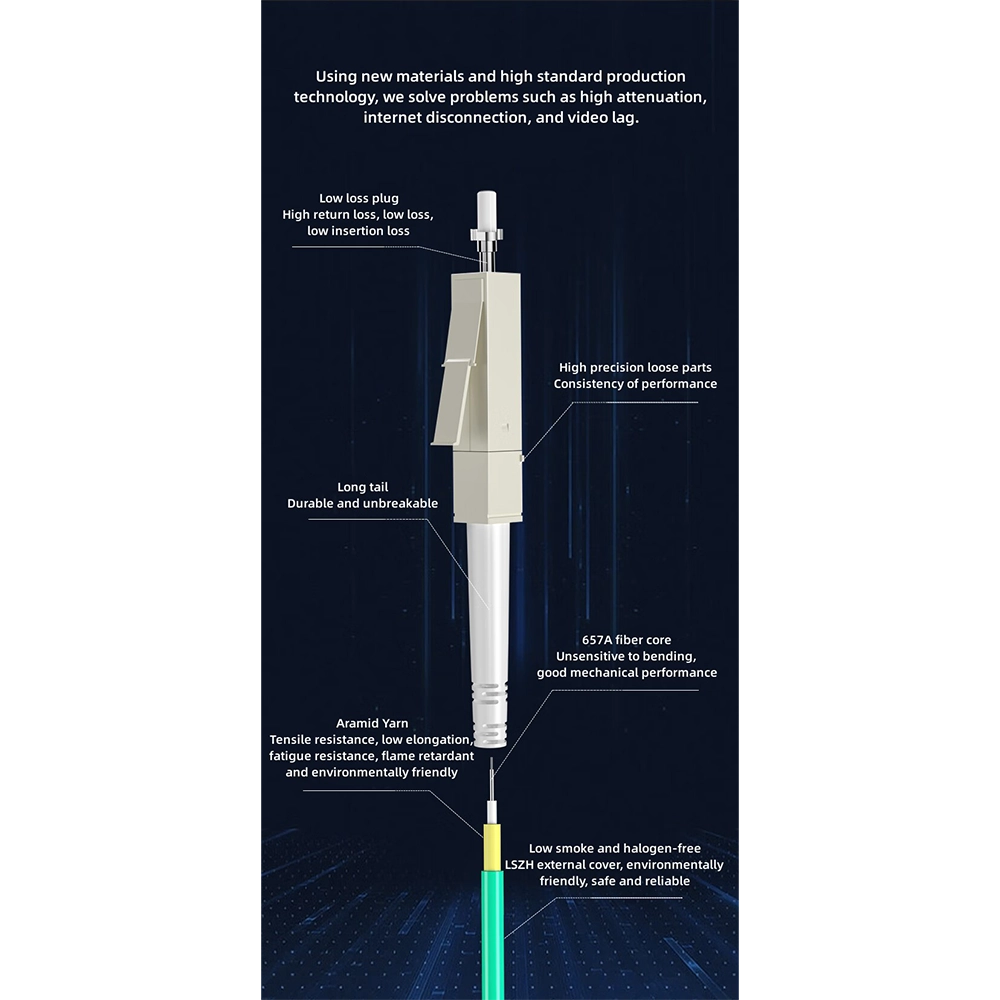
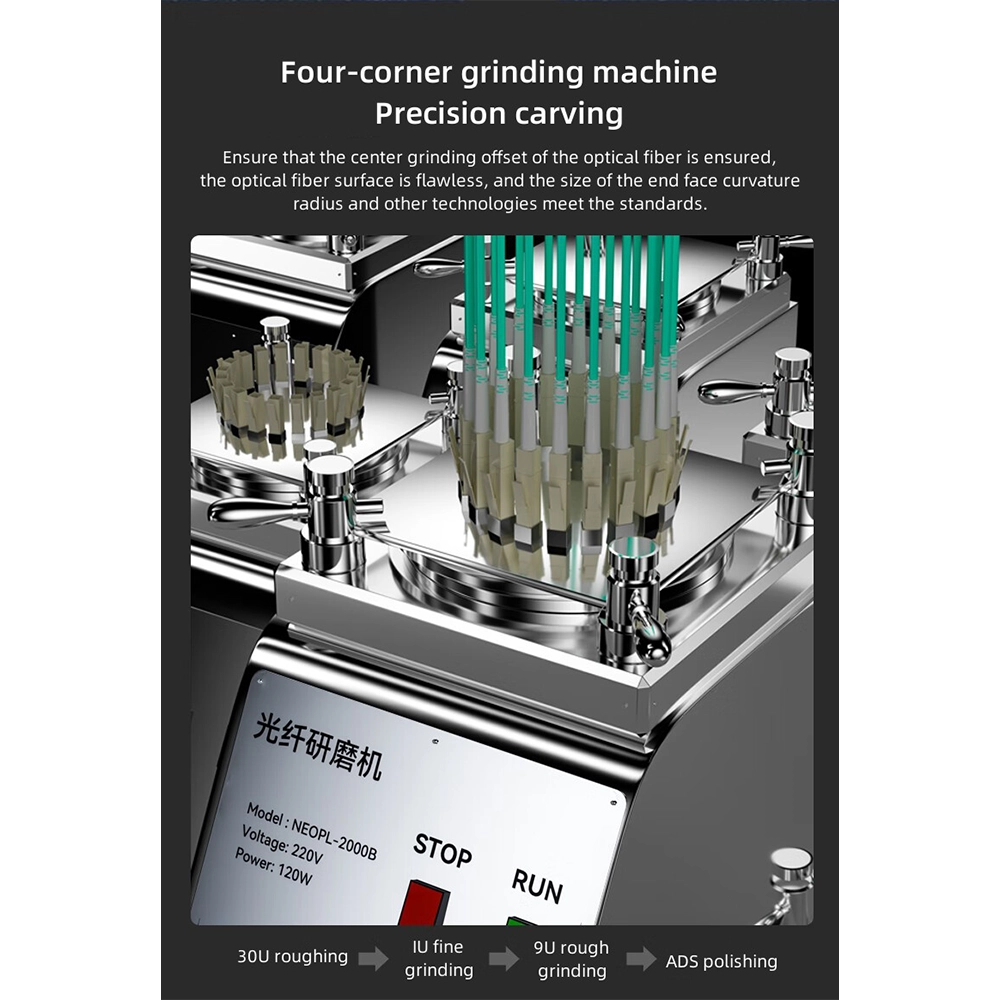
Each ceramic ferrule is ground on all four corners before assembly, which keeps typical insertion loss at 0.20dB (0.30dB maximum) and return loss at 50dB or better. That matters most on runs with several patch points in a row — a poorly ground ferrule at any one junction adds up across the link budget.
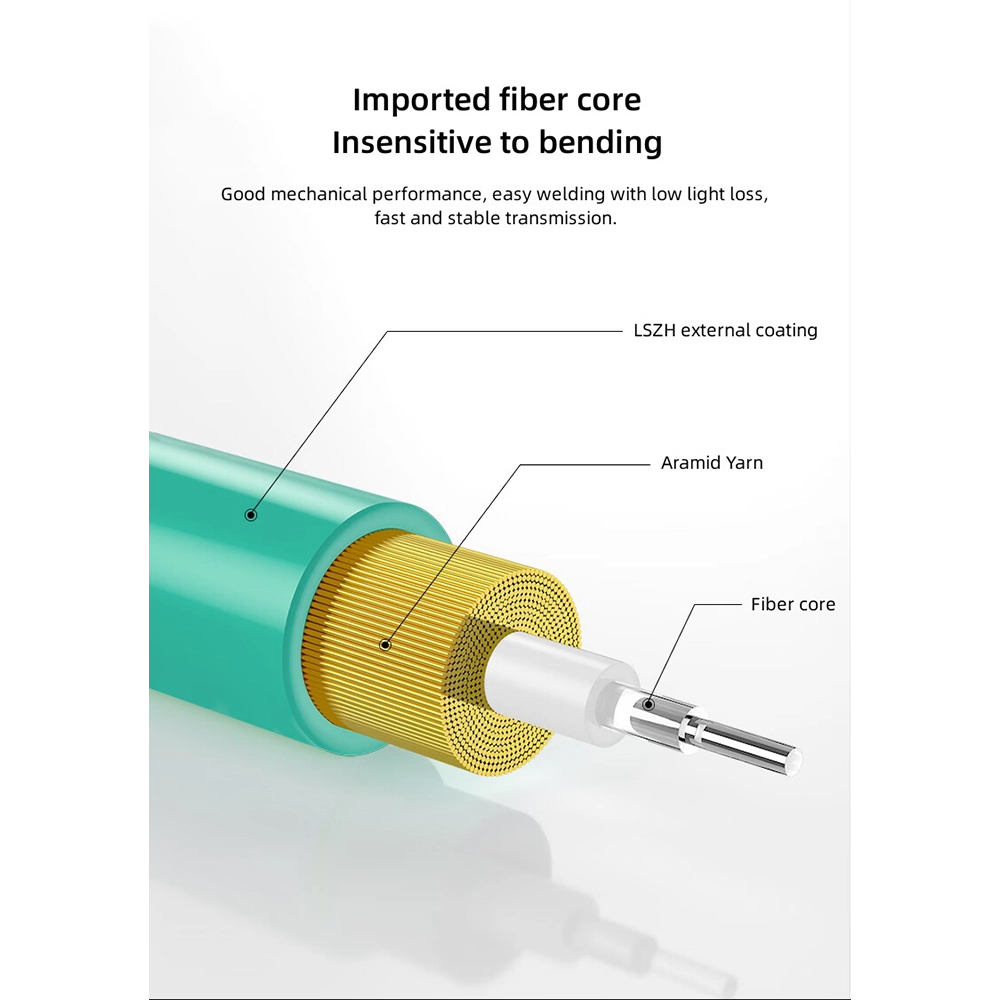
Built on single-mode single-core fiber, this cord supports 1.25G, 10G, 25G, and 40G links, so the same physical cord carries a port upgrade later without being re-run. The bend-insensitive imported fiber core keeps loss stable even when the cable has to bend sharply behind a patch panel or inside a cable tray.
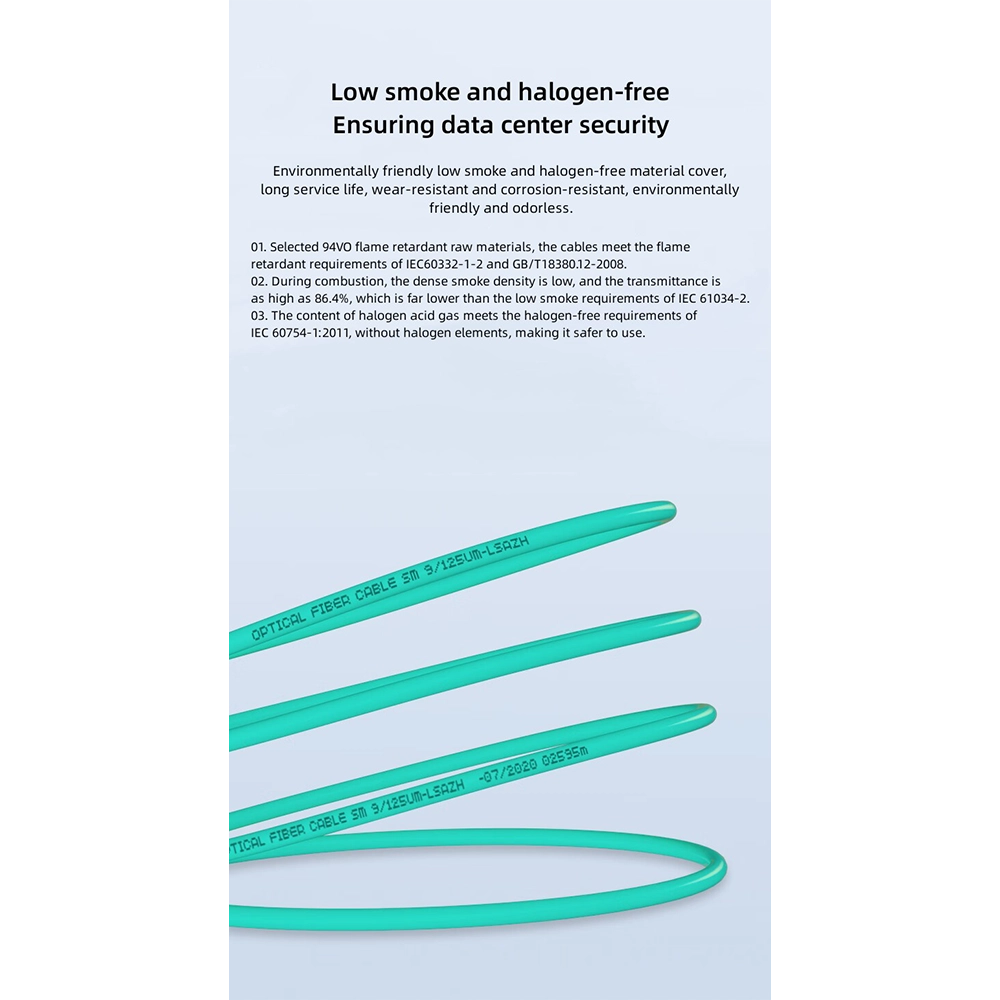
The 3.0mm outer jacket is LSZH (low smoke zero halogen), tested to IEC 60332-1-2 for flame retardance, GB/T 18380.12-2008, IEC 61034-2 for smoke density (86.4% light transmittance), and IEC 60754-1:2011 for halogen acid gas content. In an enclosed server room or riser, that means less toxic smoke and better visibility if a fire does break out nearby — exactly what LSZH cabling is designed for.
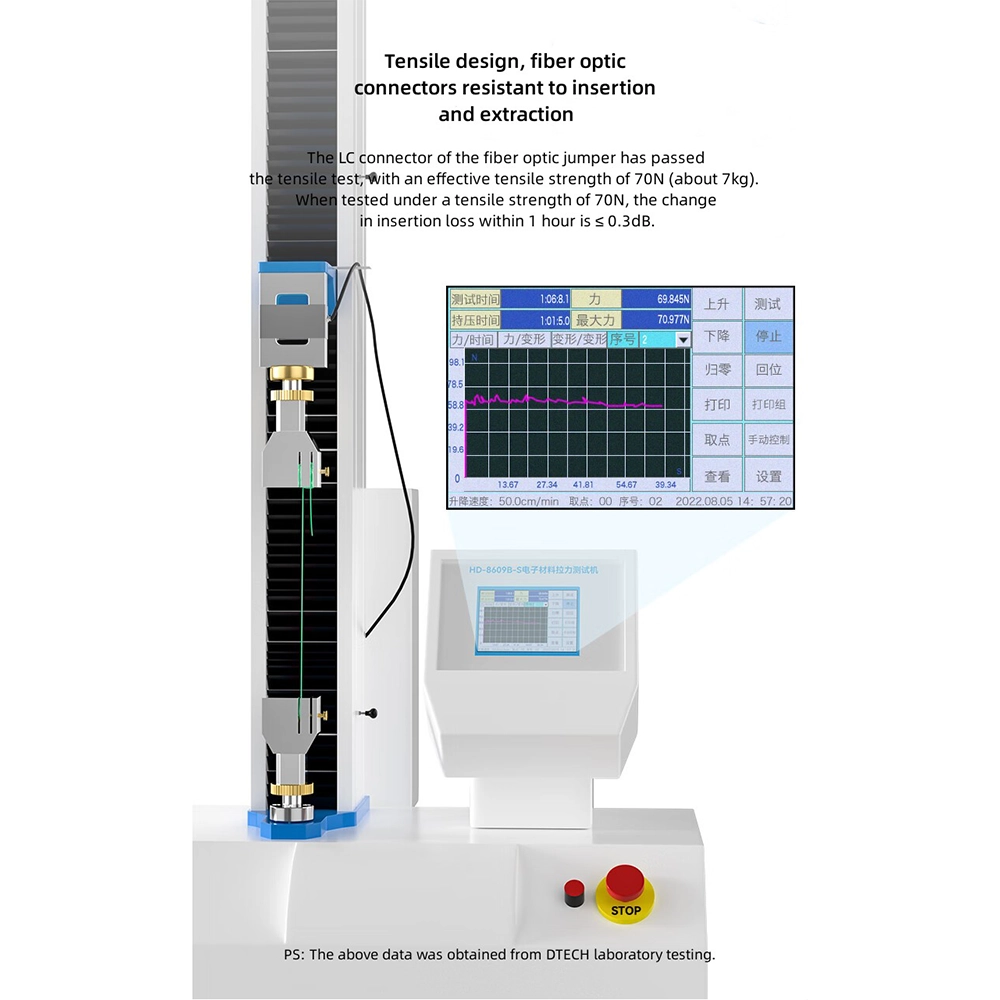
An aramid-yarn strength member runs the length of the cord, and DTECH tensile-tests each one to 70N without exceeding 0.3dB of added insertion loss over a one-hour hold. Dust caps ship on both ends to keep the ferrules clean before installation. Nine length options, from 1m for same-rack jumpers up to 30m for longer runs, are available — see our other Industrial Serial Product accessories for the testers and adapters to go with it.
| Spec | Value |
|---|---|
| Model | DT-LC/LC 001 |
| Connector Type | LC/UPC to LC/UPC |
| Fiber Type | Single-mode, single-core |
| Cable Length Options | 1m, 2m, 3m, 5m, 10m, 15m, 20m, 25m, 30m |
| Cable Diameter | 3.0mm |
| Supported Speeds | 1.25G / 10G / 25G / 40G |
| Insertion Loss | 0.20dB typical, 0.30dB maximum |
| Return Loss | > 50 dB |
| Tensile Strength | 70N |
| Flame Retardant Rating | IEC 60332-1-2 |
| Smoke/Gas Standards | GB/T 18380.12-2008, IEC 61034-2, IEC 60754-1:2011 |
| Jacket Material | LSZH (low smoke zero halogen) |
| Strength Member | Aramid yarn |
| Warranty | 1 year |
Is this the same as your SC/UPC fibre patch cord? No — both are single-mode LSZH patch cords with the same optical performance, but this one terminates in the smaller LC connector on both ends, while the other terminates in SC/UPC. Check the connector type on your equipment before ordering.
Can I mix this with SC equipment using an adapter? A passive LC-to-SC adapter or a hybrid LC-to-SC patch cord is needed to bridge the two connector types — this cord alone will not plug into an SC port.
What does 0.20dB insertion loss mean in practice? It’s the amount of signal strength lost passing through the connector pair. At 0.20dB typical, a handful of these in a link budget will not meaningfully affect 10G or 25G optical links over standard data centre distances.
Is the LSZH jacket required by code, or just safer? Requirements vary by building and jurisdiction, but LSZH is widely specified for enclosed spaces like server rooms, risers, and plenum areas because it limits toxic smoke and corrosive gas if it’s ever exposed to fire.
Share your thoughts with other customers
WhatsApp us
Reviews
There are no reviews yet.